Mining
BHP and Rio Tinto complete their first megawatt-scale Cat 793 XE charge
The Jimblebar trial has reached a high-power charging milestone. It is their first in this trial, not a claimed world first.
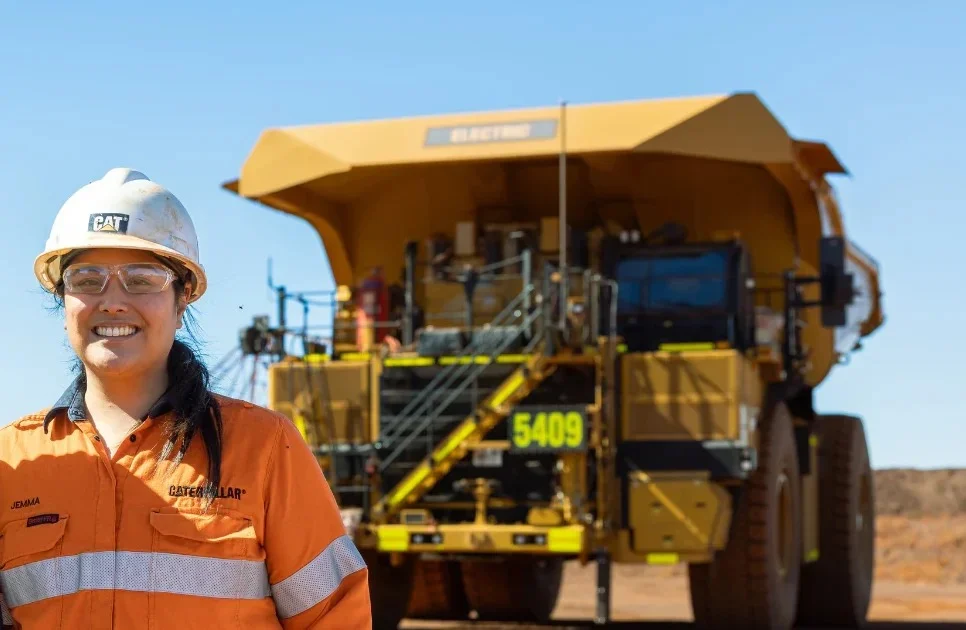
BHP and Rio Tinto have completed their first megawatt-scale charge on a Cat 793 XE battery-electric haul truck at BHP’s Jimblebar iron ore mine in Western Australia. The October coverage describes charging above 1 MW using static chargers and Megawatt Charging System connectors.
The wording matters. Rio Tinto described this as the first high-powered charge as part of the trial. It is a milestone for this program, not a verified claim that nobody anywhere has charged a mining truck at megawatt scale before.
Two trucks, one charging milestone
BHP’s June trial launch release identifies two Cat 793 XE Early Learner trucks at Jimblebar, out of seven Early Learner trucks. The trucks are part of a trial involving BHP, Rio Tinto and Caterpillar. A successful charging event does not change their status from trial equipment to a fully deployed production fleet.
The source notes describe the battery as 15-20 times the size of a passenger EV battery, attributed to BHP through Plant & Equipment. That comparison gives a sense of scale, but it is not a published battery-capacity specification. We are not turning it into a kWh figure.
Static now, dynamic next
This milestone used static charging, with the truck connected to a charger. The next phase identified in BHP’s launch release is dynamic charging, meaning energy transfer while the truck is moving. Those are separate operating approaches and separate stages of the trial.
The presence of MCS connectors is also worth separating from a complete charging result. A connector type tells part of the story. It does not by itself establish the full charging curve, the time to a target state of charge or how much of a shift the truck can cover afterward.
Our take
The useful headline is that the trial has progressed to a real high-power charging milestone. The next useful numbers would be repeatable charge times, operating hours and how charging fits into the mine’s work cycle. Those results are not established in the source notes used here.
That leaves a clear way to follow the program without getting ahead of it: track static charging results first, then watch the dynamic charging phase. The June truck photo illustrates the trial equipment. It should not be read as a photograph of the October charging event.
More reporting →